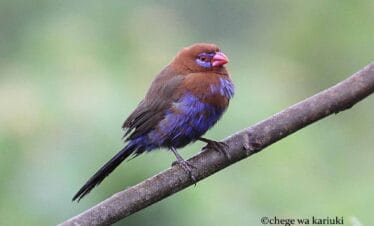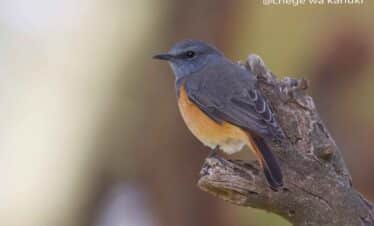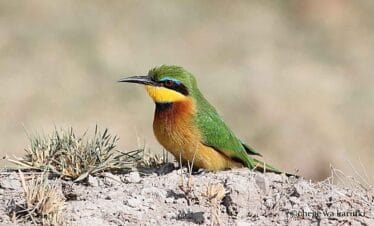
Kenya Birding Safari gives you five ultimate days starting at Nairobi National Park may be watching a Secretary Bird stalk through the grass with the city skyline framed behind it, you’ll be deep in highland forest at 2,100 metres scanning the canopy for a white belly and that may mean Abbott’s Starling has finally dropped into view. Then, on the last morning of this Kenya birding safari, the bush thins out north of the equator and the birds shift again completely into Samburu’s dry thornbush world. Few trips give you three such different bird communities in five days. This one does, and the contrast between them is exactly the point.
Ultimate 5-Day Kenya Birding Safari Overview
Ultimate 5-Day Kenya Birding Safari Highlights
- World's only national park inside a capital city; May be Secretary Bird, Martial Eagle, Black Rhinos and Lions before your first dinner in Kenya
- Montane highland forest dawn walks targeting Abbott's Starling & Olive Ibis; one of Kenya's most sought-after montane specialties and Kikuyu White-eye a Kenyan endemic.
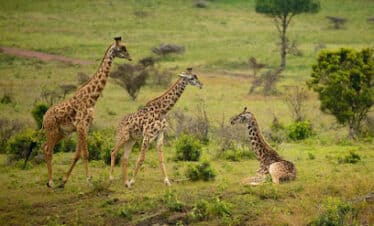
- The Samburu Five mammals; Reticulated Giraffe, Grevy's Zebra, Gerenuk, Beisa Oryx, and the chance to add Williams' Lark to your Kenya endemic list
- A dramatic species shift north of the equator: every hour's drive brings a completely new bird community
Ultimate 5-Day Kenya Birding Safari Itinerary
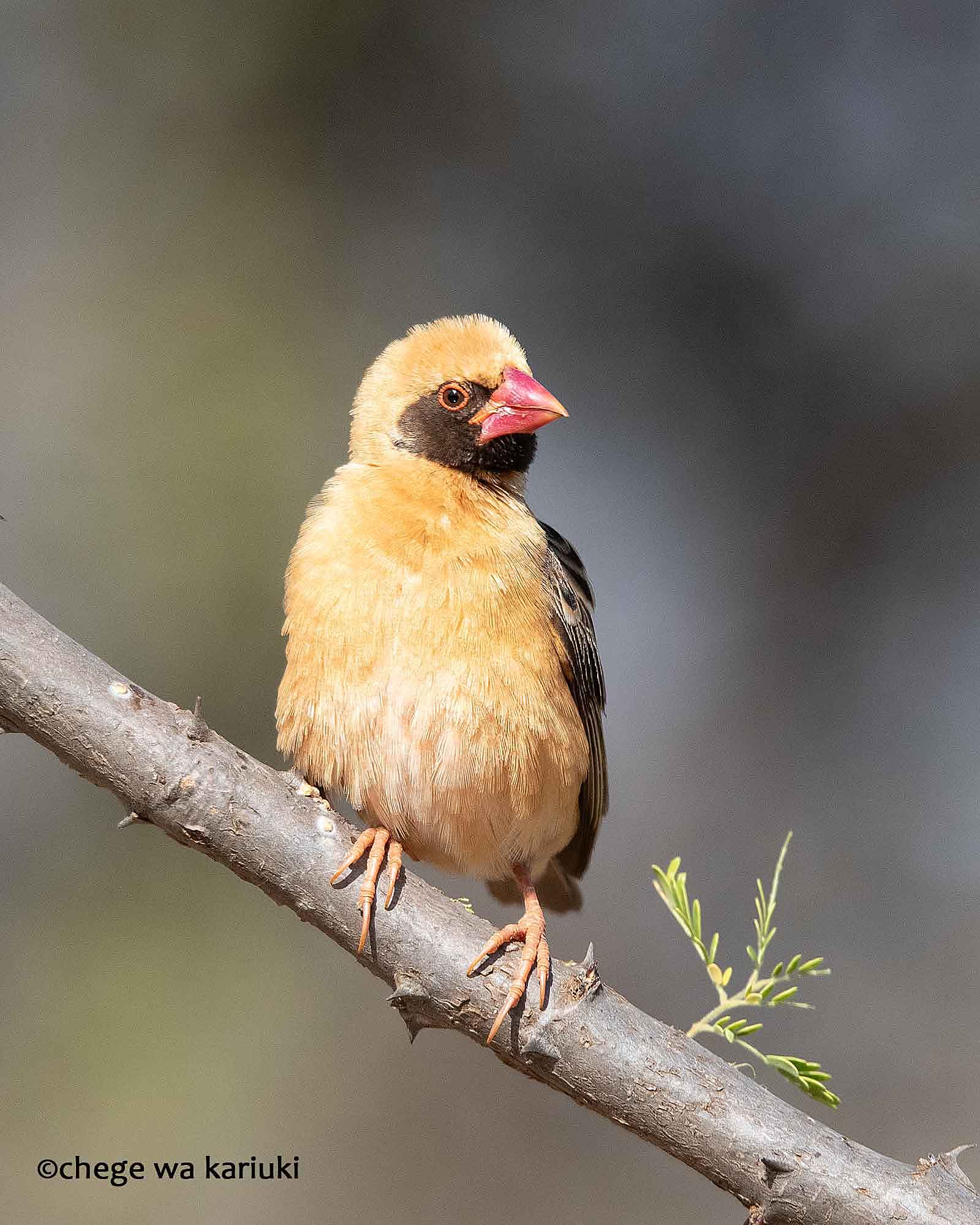 There's a moment that happens to almost every birder who arrives here for the first time: you step out of the vehicle inside Nairobi National Park, look south to open plains, look north to the glass towers of the CBD, and then look back south because a Martial Eagle is cutting low across the grassland and everything else becomes irrelevant. This is why we always start a Kenya birding safari here rather than rushing straight out of the city.
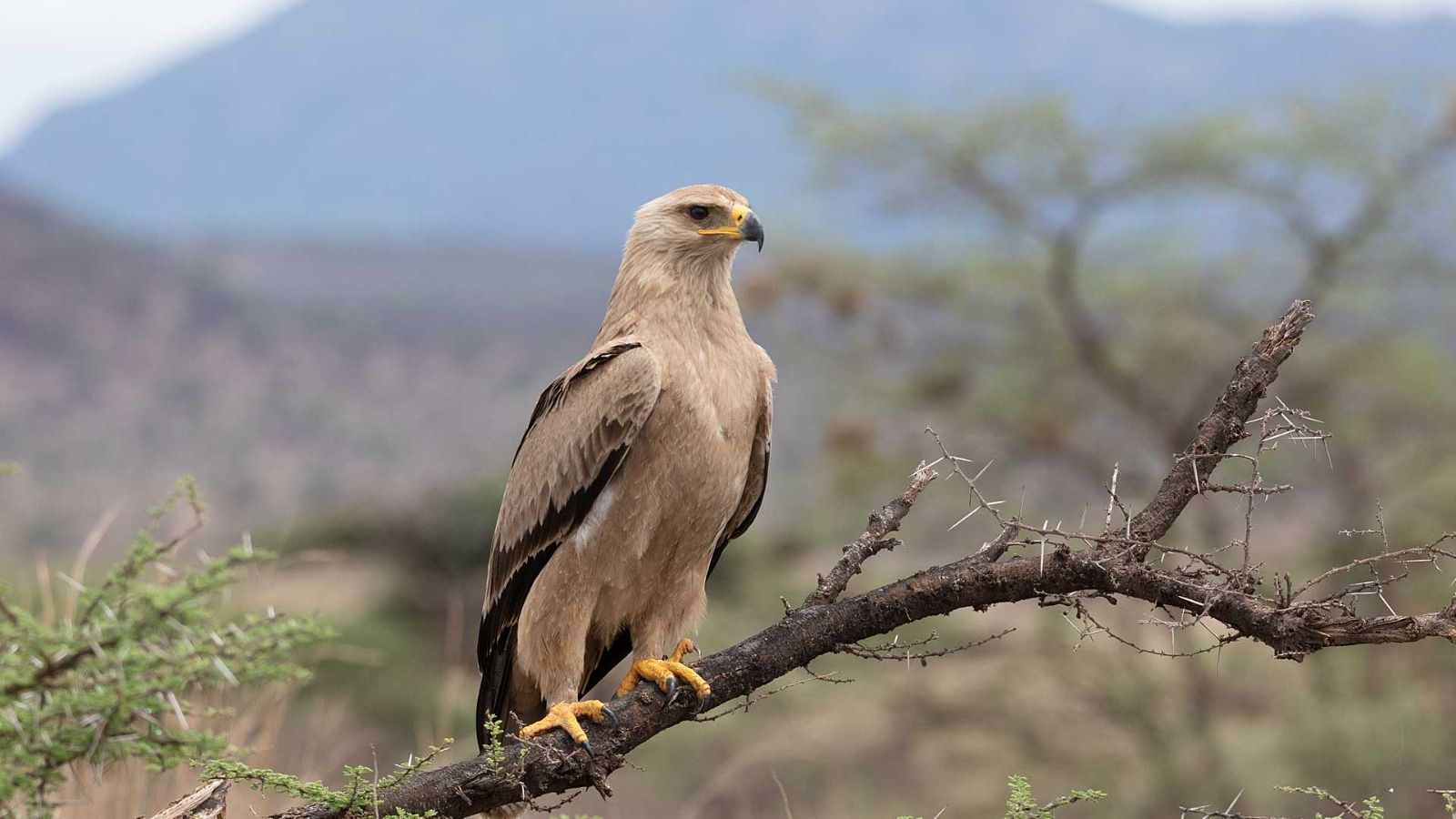
We'll time your arrival to get you into the park by 0630hrs. The light after this is extraordinary, the golden hour on Nairobi's savannah hits the longclaws and bustards differently than anywhere else. The western circuit is the place to start slowly: Common Ostrich, Saddle-billed Stork, Hartlaub's Turaco calling from the Kisembe Forest. Keep your eyes on the open ground for Secretary Bird, always unhurried, always magnificent.
The rhino valley area before sunset gives the best chance of Black Rhino, a sighting that means more when you know how close this species came to disappearing entirely.
Birds here may include African Spoonbill, Secretary Bird, Lappet-faced Vulture, Black-chested Snake-Eagle, Martial Eagle, Shelly’s Spurfowl, Hartlaub’s Bustard, Emerald Spotted Wood, Dove, Hartlaub’s Turaco, White-bellied Go-away-bird, Blue-napped Mousebird, Cinnamon-chested Bee-eater, Greater Honeyguide, Eastern Honeybird, Nubian Woodpecker, Northern White-tailed Lark, Pangani & Rosy-breasted Longclaws.
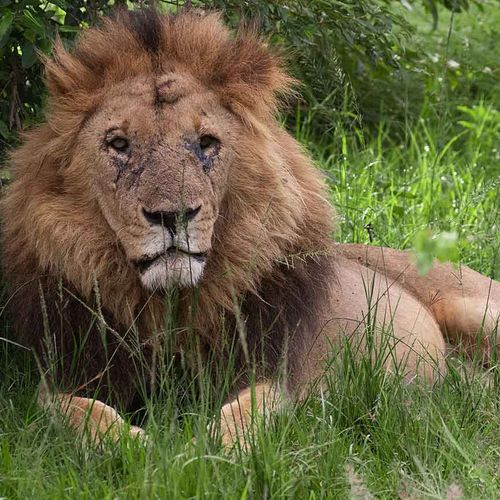
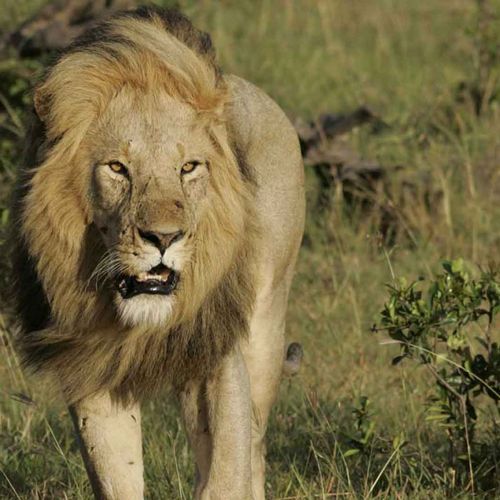
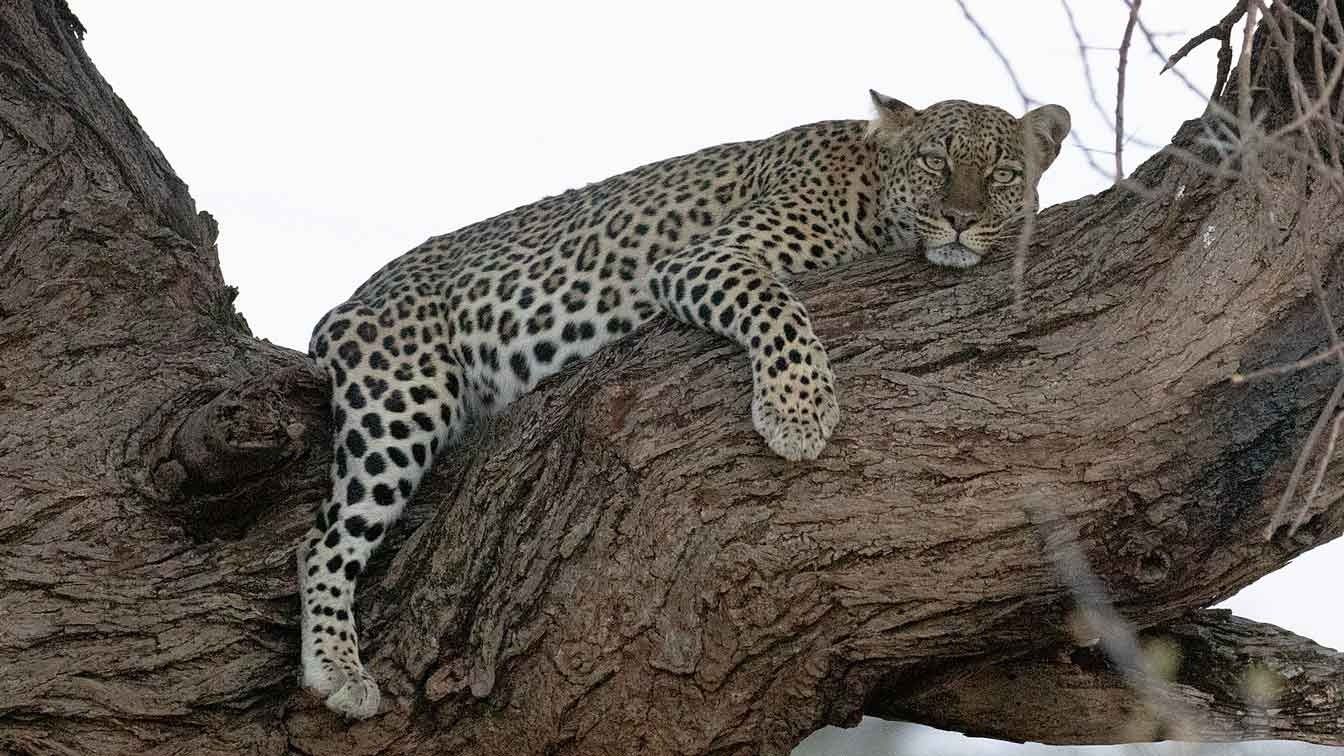
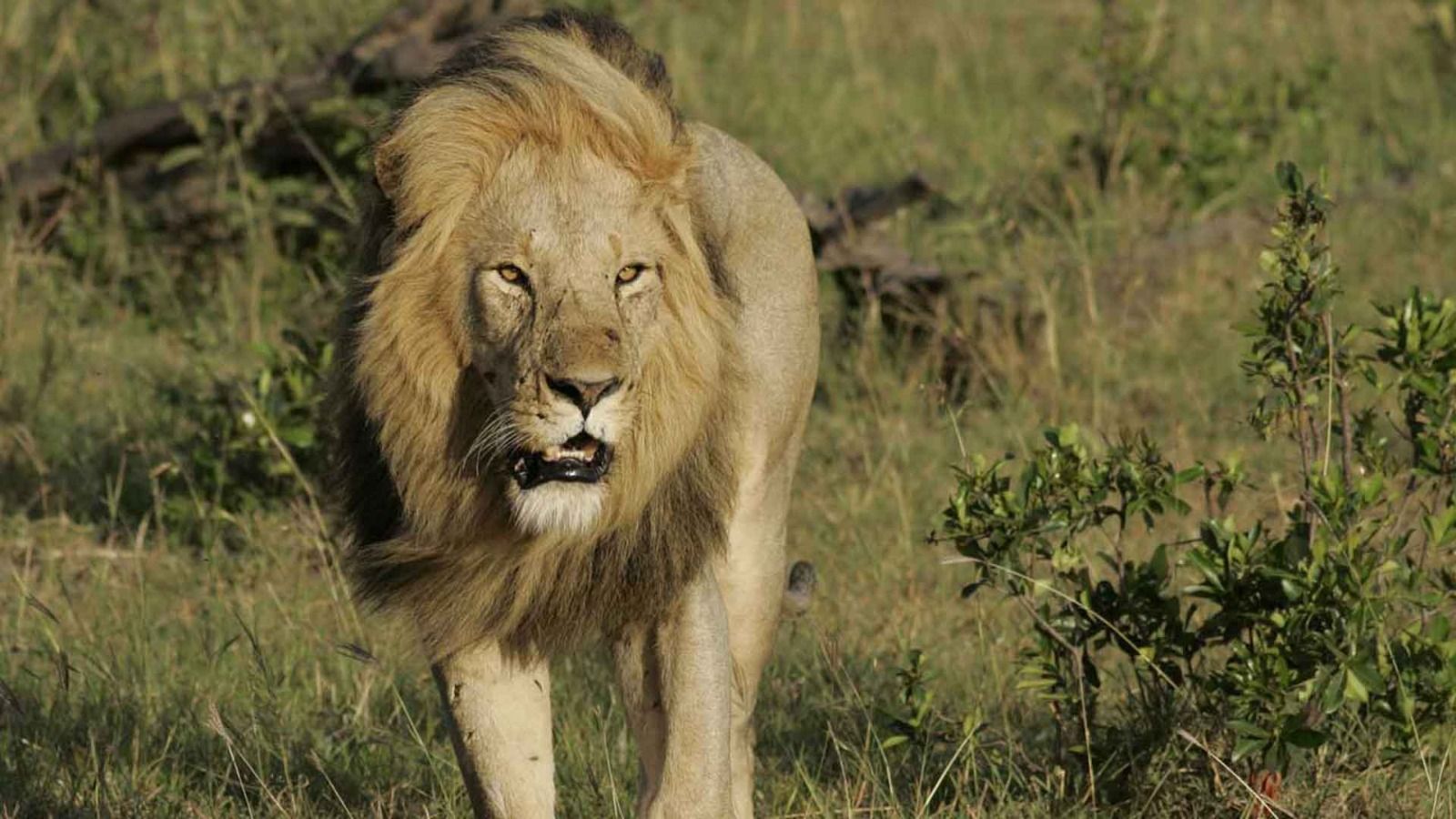
Mammals may include Cape Buffalo, Burchell’s Zebra, Hippo, Masai Giraffe, Coke’s Hartebeest, Vervet and the Syke’s Monkey, both Black and White Rhinos, Lion, Cheetah, Leopard, Eastern White-bearded Gnu, Black-backed Jackal, Hyena, Grant’s & Eastern Thomson’s Gazelles, Bohor Reedbuck, Chandler’s Mountain Reedbuck and Southern Bushbuck, Common Warthog among others.
After spending the day in the park, it's just 60 minutes (depending on the day and time on traffic) we head northeast to Kariminu River Camp in Thika riverside, quiet, and with the Hinde's Pied Babbler habitat right outside your tent for the morning to come. After dinner there
may be mammal visitors such as Southern Giant Pouched Rat, Rusty-spotted Genet and if so lucky enough a Two-spotted Palm Civet and a Crested Porcupine may show up.
Where to stay:
| Tier | Property | Description |
|---|---|---|
| Budget | Bubble's Hotel, Thika | Comfortable town hotel; 5 minutes from camp |
| Mid-range | Kariminu River Camp | Chege's own riverside camp; birder-focused; endemic habitat at your doorstep |
| Luxury | Thika Greens Golf Resort | Upscale resort with gardens; 60 minutes from Nairobi |
Waking up early at Kariminu River Camp in the dark, the first sound is the river running over stones below the camp. We're out before sunrise and staying overnight here means a proper dawn session rather than a hurried roadside stop, and the difference shows in what you find.
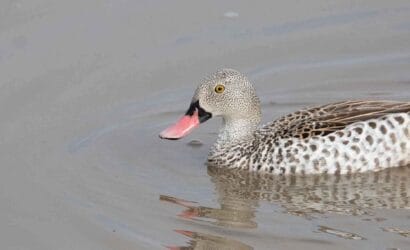
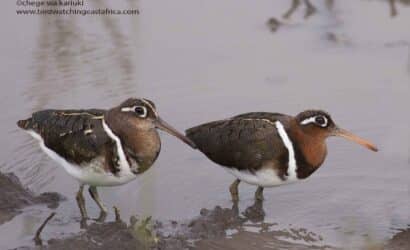
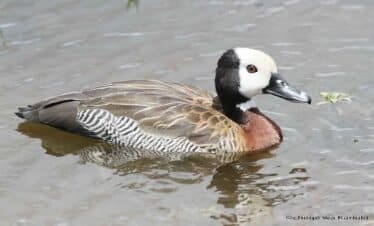
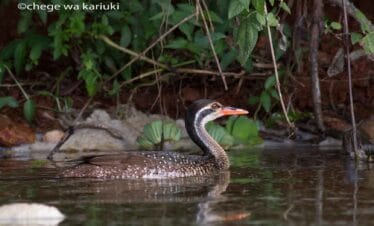
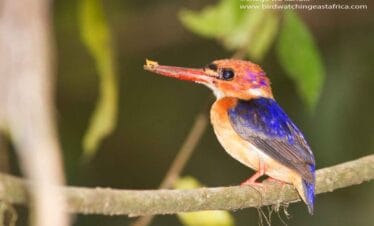
Birds here may include the Kenyan endemic Hinde’s Pied Babbler. Also Grey-Olive Greenbul, Black-throated Wattle-eye, African Finfoot, African Black Duck, Brown-hooded Kingfisher, Blue-headed Coucal, African Yellow Warbler, African Golden Weaver among other may be seen.
By 9am we're on the road north, climbing toward the equator. Tea plantations give way to dense montane forest, the air cools noticeably, and by the time you reach Castle Forest Lodge at 2,100 metres, the bird sounds through the open window are entirely different. An afternoon walk through the forest zone: Kikuyu White-eye in every canopy flock, Hunter's Cisticola from the forest edges, and — if we're lucky on the first afternoon — the first glimpse of Abbott's Starling dropping into a fruiting tree.
Africa’s most powerful eagle the African Crowned Eagle, Hartlaub’s Turaco, Sharpe’s Starling, Purple-throated Cuckooshrike, another Kenyan endemic Kikuyu White-eye, Eastern & Northern Double-collared Sunbirds, Rameron Pigeon, Red-fronted Parrot, White-headed Woodhoopoe, African Emerald Cuckoo, Grey Cuckoo shrike, Mustached Tinkerbird among others. Olive Ibis occasionally flies near the lodge in the evening on their way back to their roosting site. While all day our eyes will be wide open for another most sort-after Abbott’s Starling
Where to stay:
| Mid-range | Castle Forest Lodge | The birding lodge; specialist-run at 2,100m; extraordinary dawn chorus from your room.
Another early wake up & breakfast in hope to nail down the much sort-after Olive Ibis flying by lodge early and late evening.
Early morning birding in the forest in search birds we would have missed the previous day before transfer to Samburu National Reserve. The drive north takes three hours and every kilometre tells the story. The dense highland forest gives way to open bush, the temperature climbs, the sky expands, and the acacia starts to look thornier, dustier, drier. By the time you cross the equator and drop toward the Ewaso Ng'iro River, you're in a completely different Kenya.
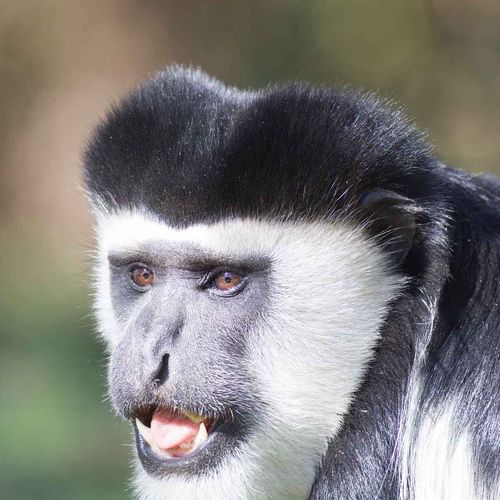
In Mt Kenya mammals may include Black-and-white Colobus Monkey, Mt Kenya Sykes' Monkey, On arrival to Samburu/Buffalo Springs National Reserve we enroute game drive arriving at the camp early evening.
Where to stay:
| Tier | Property | Notes |
|---|---|---|
| Budget | Samburu Sopa Lodge | Comfortable standard lodge on the river; good bird access from the grounds |
| Mid-range | Ashnil Samburu Camp | On the Ewaso Ng'iro River; excellent mammal and bird access from camp |
| Luxury | Larsen's Samburu Camp | Boutique; ented camp; Ewaso views; pool; exceptional personal service |
Samburu smells different; dust, dry grass, the faint sweetness of flowering acacia. We aim to leave for game drive before sunrise with picnic lunch, which gives you the whole morning and afternoon game drive time to find the Samburu Five, pick up the specialist dry-country birds, and let the reserve settle into you before dark. The first sighting that usually stops the vehicle is ★ Reticulated Giraffe — that lattice-pattern coat against the ochre acacia is startlingly different from anything you saw in the highlands.
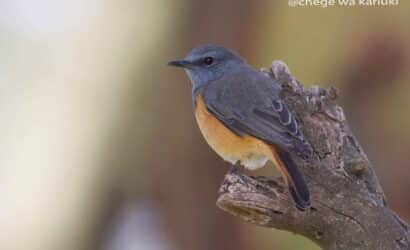
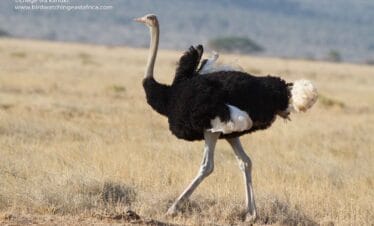
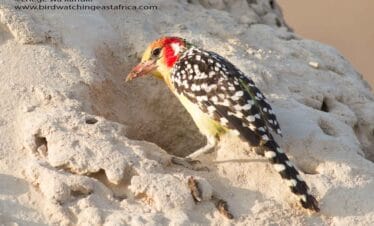
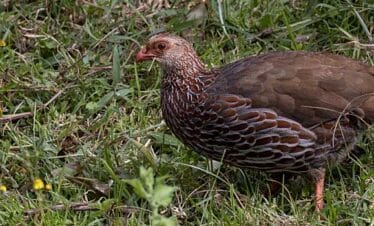
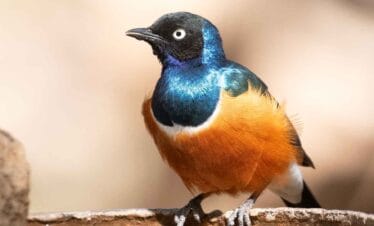
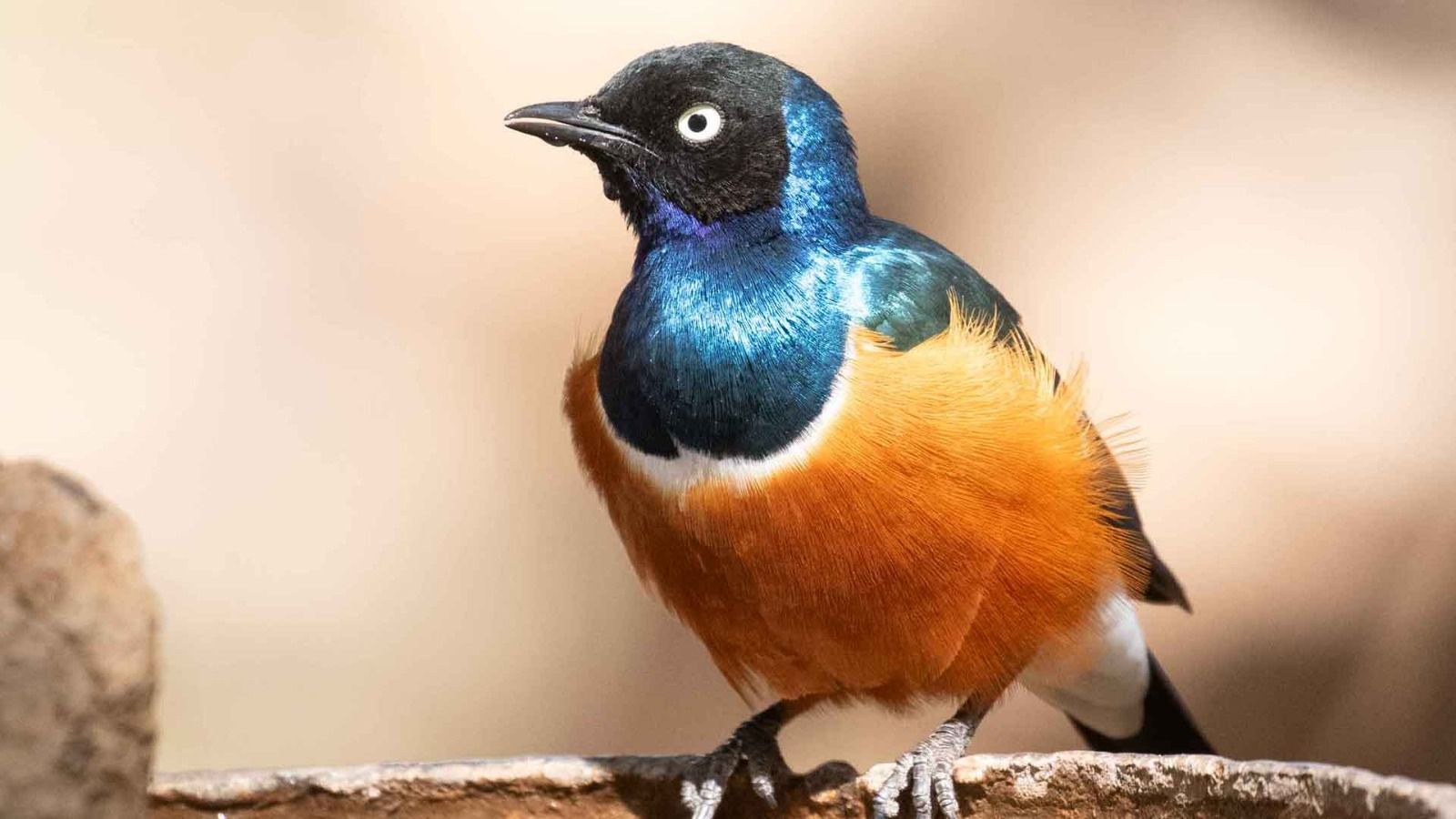
The morning bird list builds fast: Somali Ostrich, Bateleur, Palm-nut Vulture, African Hawk-eagle, Pygmy Falcon, Martial Eagle. A hard one to miss is a rib-tickling looking Vulturine Guineafowl. Buff-crested Bustard, Black-faced, Chestnut-bellied & Lichtenstein’s Sandgrouses, Rosy-patched Bushshrike, African Orange-bellied Parrot, African Scops-owl, Pearl-spotted Owlet, Von der Decken’s Hornbill, Red-and-yellow Barbet, Bearded Woodpecker, Somali Bee-eater, Rufous-crowned Roller, Pink-breasted Lark, African Bare-eyed Thrush, Hunter’s Sunbird & Black-bellied Sunbird, Golden-breasted Starling, Hilderbrant’s Starling & Fischer’s Starling, Donaldson-Smith’s Sparrow-weaver and a special trip to one corner of the reserve in search of another Kenyan Endemic the William’s Lark and may include the Northern Grosbeak Canary, Somali Crombec, Abyssinian Sunbird, Brown-tailed Rock Chat and Gambaga Flycatcher.
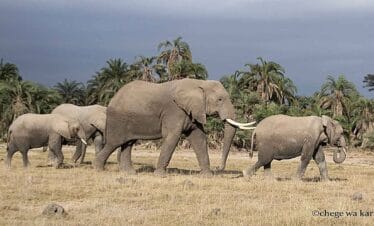
A wide set of mammals thrive in the 3 reserves including Reticulated Giraffe, endangered Gravy’s Zebra, Somali Mongoose, Kirk’s & Gunther’s Dikdik, Common Waterbuck, Gerenuk and the war-like horned Beisa Oryx, Desert Warthog, Bright's Gazelle, African Elephant, Lion, Leopard & Cheetah. We’ll spend some time trying to spot and if lucky a Naked Mole Rat throwing soil from his tunnel.
Where to stay:
| Tier | Property | Notes |
|---|---|---|
| Budget | Samburu Sopa Lodge | Comfortable standard lodge on the river; good bird access from the grounds |
| Mid-range | Ashnil Samburu Camp | On the Ewaso Ng'iro River; excellent mammal and bird access from camp |
| Luxury | Larsen's Samburu Camp | Boutique; ented camp; Ewaso views; pool; exceptional personal service |
The last morning game drive starts early by the lodge compound, moving slowly into the bush with the dry air cold against your face.
This morning we are searching for the Somali Crombec and the Northern Grosbeak Canary and into Shaba National Reserve still early look for Williams' Lark, in a rocky open ground near the north boundary where this globally vulnerable Kenyan endemic shows reliably in the early hours.
The drive back to Nairobi takes five to six hours through dry bush and highland tea country. This gives you time to run through the species list, count the lifers, and quietly plan what you missed that will bring you back. Three habitats, three completely different bird communities, one seamless Kenya birding safari with our experienced guides. That's a rare thing.
What's Included
- All accommodation with full board (from lunch on day 1 to dinner on last day)
- Flying Doctors Emergency Evacuation Service
- Airport transfers on arrival and departure
- All national park, reserve, and conservation area entry fees
- Bottled water in safari vehicle cool box
- Transportation in custom-converted 4×4 Toyota Land Cruiser
- Unlimited game drives and birding excursions
- Expert professional driver/bird guide
What's Not Included
- International airfares and departure taxes
- Beverages (except bottled water in safari vehicles)
- Gratuities for guide (recommended $15+ per day)
- Passport and visa fees
- Travel and medical insurance
- Personal expenses